Code 80 tasks
Can a code agent complete real add / modify / delete requirements inside a full open-source repository — not single-file toy problems? 代码 Agent 能否在一个完整的开源仓库里完成真实的「增 / 改 / 删」需求,而非单文件玩具题?
Leaderboard排行榜
How models rank on this subset. Scores below are from the CodeBuddy Code harness; Claude Code harness runs on this subset — where GLM-5.2 leads at 77.06% — are on the home leaderboard’s Claude Code tab. The second, lighter number on each row is the LLM-judge score (7-dim weighted rubric) — a reference signal only, it never affects ranking. Switching the tabs below re-slices the same 80 tasks by role / repo complexity / edit surface and recomputes the hidden-test reward within that slice; the judge column is hidden in sliced views since judge scores are only computed at the overall level.各模型在该子集上的排名。以下为 CodeBuddy Code harness 成绩;该子集下 Claude Code harness 的成绩(GLM-5.2 以 77.06% 领先)见首页排行榜的 Claude Code 分栏。每行第二个、较浅的数字是 LLM Judge 分(7 维加权评分)— 仅作参考信号,不影响排名。切换下方 tab 可按 角色 / 仓库复杂度 / 编辑面 对同一批 80 题重新切片并计算隐藏测试 reward;切片视图下不显示 judge 列,因为 judge 分数目前只有整体聚合值,没有按切片拆分。
Model settings: reasoning effort defaults to high, and each model runs with its provider-default inference hyperparameters.模型设置:reasoning effort 默认为 high,各模型使用其默认推理超参。
Harness settings: the context window is unified at 200k with a unified auto-compaction threshold; the WebSearch and AskUserQuestion tools are disabled.harness 设置:上下文窗口统一为 200k,自动压缩阈值统一;禁用 WebSearch 与 AskUserQuestion 工具。
Evaluation is pinned to specific harness builds — codebuddy-code:2.109.3 and claude-code:2.1.187; metrics may shift as harness versions evolve.评测固定在特定 harness 构建上:codebuddy-code:2.109.3 与 claude-code:2.1.187;随 harness 版本演进,指标可能变化。
The HY (Hunyuan) endpoint in this evaluation is served first-party by its provider; the other models are accessed through third-party serving endpoints, whose parameter configuration and request handling may affect metrics.本次评测中 HY(混元)端点由其提供方第一方部署;其余模型通过第三方推理端点接入,第三方的参数配置与请求处理可能影响指标。
Overview概览
Code evaluates whether a code agent can complete real add / modify / delete requirements inside a full open-source repository. The agent is dropped into a project at a baseline commit and must locate the relevant code across modules, make the change, and keep the project’s hidden tests green — the same work a backend engineer does every day, not an isolated function-completion puzzle.
Every task is anchored to a real historical commit or pull request. The original human change is reverse-engineered and rewritten into a natural-language, role-played requirement — the way an engineer, PM, algo, QA or ops person would actually phrase it — rather than a tidy issue title. Because the tasks are not reproduced from public issue text, they stay realistic and resist contamination from public training corpora.
This open release holds 80 tasks, spanning real GitHub repositories and synthetic workspaces. It deliberately spans 18 categories and 5 roles (developer / algo / PM / QA / ops), pushing the task space well beyond plain bug-fix / feature work. Difficulty is graded L2–L5 by repository complexity, centered on L4 (L2 ×4, L3 ×27, L4 ×40, L5 ×9), with edit surfaces ranging from partial-repo (32) and synthetic-workspace (22) tasks to multi-file (10), single-file (8), cross-module (4) and whole-repo (4) changes.
Each task ships in the Harbor task-directory format — an instruction.md, a task.toml of metadata, an environment/ with the repo snapshot and a Dockerfile, and a tests/ holding the hidden tests plus a gold.patch. A task is admitted only if the baseline (no change) scores ≤ 0.3 and the oracle (gold patch applied) scores ≥ 1.0, so every task is provably solvable and not already passing. The headline Code metric is the Harbor run-level reward — the per-run average of per-task hidden-test scores — and all Code conclusions follow it; a task-level aggregate pass rate and an LLM-judge reading are recorded as reference values only.
Code 考察代码 Agent 能否在一个完整的开源仓库里完成真实的「增 / 改 / 删」需求。Agent 被放进某个基线 commit 的项目中,需要跨模块定位相关代码、做出修改,并让项目的隐藏测试全部通过,而非孤立的函数补全题。
每道题都锚定一个真实的历史 commit 或 PR。原始的人类改动被逆向还原,并改写成自然语言、带角色扮演的需求,像工程师、PM、算法、QA 或运维真正会怎么提一样,而非工整的 issue 标题。由于这些任务并非照搬公开 issue 文本,它们既贴近真实,又能抵抗来自公开训练语料的污染。
本次开源版本包含 80 道任务,覆盖真实 GitHub 仓库及合成 workspace。它刻意覆盖 18 类 category 与 5 类 role(开发 / 算法 / PM / QA / 运维),把任务空间远远推出单纯的 bug-fix / feature。难度按仓库复杂度分为 L2–L5,以 L4 为中心(L2 ×4、L3 ×27、L4 ×40、L5 ×9);编辑面覆盖 partial-repo(32)、synthetic-workspace(22)、multi-file(10)、single-file(8)、cross-module(4)、whole-repo(4)等多种规模。
每道题以 Harbor 任务目录格式交付:一个 instruction.md、一份元数据 task.toml、含仓库快照与 Dockerfile 的 environment/,以及存放隐藏测试与 gold.patch 的 tests/。只有当基线(不改动)得分 ≤ 0.3 且 oracle(打入 gold patch)得分 ≥ 1.0 时,任务才被收录,保证每题可解、且尚未通过。
What makes Code differentCode 的核心亮点
The goal is not simply more tasks — it is to move the benchmark from “fix a bug / add a feature” toward the workflows real Copilot users hit: a PM asks for a report from exported data, an algo engineer asks for an evaluation script or a feature pipeline, QA asks for regression tests, Ops cares about reliability and production behaviour. Two things carry that: task diversity and scenario diversity.目标不是单纯增加题量,而是把评测集从「修 bug / 加 feature」推向更接近真实 Copilot 使用的工作流:PM 让你基于导出数据出报告,算法工程师让你补评估脚本或特征流水线,QA 让你加回归测试,Ops 关注可靠性与线上行为。任务多样性 与 场景多样性 共同支撑了这一点。
The 80 open tasks still explicitly cover all 18 categories. To read the coverage at a glance, we merge them into 6 usage domains named after real engineering collaboration — only ~1/8 of the suite is now plain bug-fix.80 道开源任务依然显式覆盖全部 18 类 category。为便于一眼看清覆盖面,我们把它们归并为按真实研发协作命名的 6 个使用大类,单纯的 bug-fix 现在只占约 1/8。
Every task also carries a role — developer, algo, PM, QA or ops — so the same model can be sliced by where the requirement comes from: 每题还带一个 role:开发、算法、PM、QA、运维,让同一模型可以按需求来自谁切片观察:
Placed against representative code benchmarks on the same axes (qualitative, relative coverage only), Code spreads across role diversity, task-type breadth, artifact variety and contamination resistance, where single-skill benchmarks concentrate on a few axes:与代表性代码 benchmark 放在同一组维度上做定性对比(仅表示相对覆盖面):Code 在 角色多样性、任务类型广度、产物多样性、防过拟合 上摊开了一整片,而以单点能力为主的 benchmark 集中在少数几个轴:
Code keeps the tone of natural-language requirements — it does not hand the model the root cause, the gold-patch idea, or the full failure context. Each of the 5 roles phrases the ask its own way: developers describe expected code behaviour, PMs describe the business result they want to see, algo engineers keep the metric and data details, QA cares about edge-case regressions, Ops cares about production stability — all in everyday, colloquial language.Code 保持自然语言需求的口吻,不把 root cause、gold patch 思路或完整失败上下文直接塞给模型。5 类 role 各按自己的方式提需求:开发者描述代码层面的预期行为,PM 描述想看的业务结果,算法工程师保留指标与数据细节,QA 关注边界回归,Ops 关注线上稳定性,但都保持日常协作语气。
Positioned on “instruction style × specification detail” against mainstream code / code-agent benchmarks (the SWE-bench family & SWE-Gym, Commit0, Aider Polyglot, RepoBench, Terminal-Bench, CommitPackFT; relative position only), Code lands in the most colloquial + most vague / underspecified region — those benchmarks hand the agent a detailed issue or task spec, whereas Code gives only a short, colloquial ask:在「指令风格 × 详细程度」上与主流 code / code-agent 基准做定性定位(SWE-bench 系列及 SWE-Gym、Commit0、Aider Polyglot、RepoBench、Terminal-Bench、CommitPackFT;仅表示相对位置):Code 落在 最口语化 + 最模糊/欠规约 区域。那些基准会给出详细的 issue 或任务规格,而 Code 只给一句简短、口语化的需求:
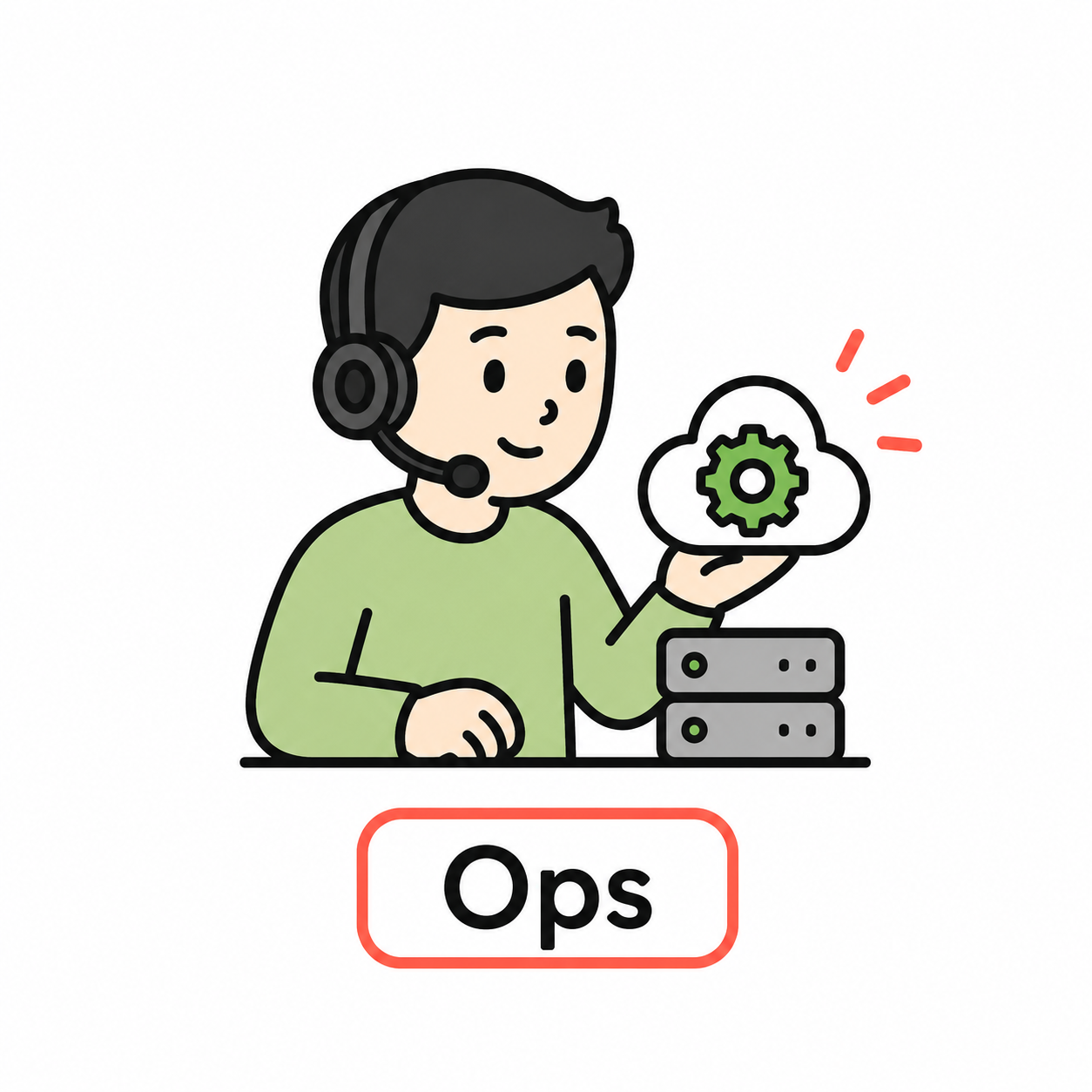
One representative query per role — note how differently the same “coding” work is phrased depending on who is asking. Representative in style; abridged/illustrative wording. 每类 role 各取一个典型需求,同样是写代码,提需求的人不同,说法差别很大。风格代表性示例,文字经改写。
Local 对象回收时从 __del__ 冒异常出来,通常是在退出或清理阶段。这个阶段不应该再把异常打到外面,麻烦把清理过程处理得稳一点。I occasionally see the Local object throw an exception from __del__ during collection, usually at exit or cleanup. Exceptions shouldn’t leak out at that stage — please make the cleanup process more robust.
Task categories任务类别
Code spans all 18 categories. As the task space broadened, plain bug-fix is just 10 of 80 (non-bug-fix now 70/80) — the bulk of the suite is feature, refactor, testing and a long tail of engineering-workflow types:Code 完整覆盖 18 类。随着任务空间拓宽,单纯的 bug-fix 仅占 10/80(非 bug-fix 已占 70/80),主体转向 feature、refactor、testing 以及一条工程工作流的长尾:
Every task is additionally tagged along four axes — role, intent, edit-mode and surface — so slices can be scored independently:每题还沿四个维度打标签:role、intent、edit-mode、surface,便于分片独立评分:
Difficulty & scale难度与规模
Tasks are graded L2–L5 by repository complexity, centered on L4 (L2 ×4, L3 ×27, L4 ×40, L5 ×9). The ladder itself grades repository complexity; every task in this open set sits in the L2–L5 range — none falls below L2. The difficulty split runs easy / medium / hard — skewed toward medium and hard — and gold patches stay deliberately small: genuine reasoning over a big codebase, not large mechanical edits:任务按仓库复杂度分为 L2–L5,以 L4 为中心(L2 ×4、L3 ×27、L4 ×40、L5 ×9)。该阶梯按仓库复杂度分级,本次开源任务全部落在 L2–L5 区间,没有低于 L2 的任务。难度按 易 / 中 / 难 划分,偏向 中 / 难;gold patch 刻意保持精简,考验的是在大型代码库中的真实推理,而非大规模机械改动:
- Difficulty scales with repo complexity (L2–L5), not patch length.
- As complexity rises, the demand on the model's exploration ability grows: the hard part is not how to edit but finding where to edit across a large codebase.
- L1–L5 denote increasing repository complexity; L1 is a single-directory structure and is not covered in this test set (which starts at L2).
- 难度随仓库复杂度(L2–L5)增长,而非随补丁长度。
- 随着 complexity 升高,对模型 探索能力 的要求越来越高:要在大型代码库里找到该改哪里,而怎么改反而是相对简单的部分。
- L1–L5 表示复杂度依次提升;其中 L1 为单目录结构,本测试集不覆盖(从 L2 起)。
Representative repositories (real upstream-commit snapshots, ~34 of 80 tasks) include: asgiref, django, black, pytest, click, httpx, jsonschema, marshmallow, pydantic, werkzeug, flask, tornado, celery, aiohttp, urllib3, poetry and sqlfluff. A further ~28 tasks (api-contract, schema-behavior, performance, reliability, security-hardening, testing) instead ship de-identified clean-room *_like reimplementations of a target project’s public API design — e.g. fastapi_like/openapi.py — with no original code copied; the remaining ~22 tasks run on fully synthetic algo/PM workspaces.代表性仓库(携带真实上游 commit 快照,约 80 题中的 34 题)包括:asgiref、django、black、pytest、click、httpx、jsonschema、marshmallow、pydantic、werkzeug、flask、tornado、celery、aiohttp、urllib3、poetry、sqlfluff。另有约 28 题(api-contract、schema-behavior、performance、reliability、security-hardening、testing)改为去标识化的洁净室 *_like 重实现,参考目标项目的公开 API 设计独立重写,例如 fastapi_like/openapi.py,未拷贝任何原始代码;其余约 22 题运行在完全合成的算法/PM workspace 上。
Example task示例任务
product_analytics-hard-signup_funnel · role: PM · hard角色:PM · hardinstruction.md (excerpt · original language)instruction.md(节选 · 原语言)
「结账页文案实验跑完了,我想先知道新版有没有更好。数据里有曝光和购买事件,麻烦帮我算每组转化、收入和一个简单结论,别把很久以后的购买也算进去。」
# illustrative pseudocode — what the task requires per checkout-copy variant:
conversion_rate = purchases_in_window / impressions
revenue         = sum(amount for p in purchases_in_window)
# "in_window" excludes purchases that happen long after the impression —
# this implicit conversion-attribution window is the constraint most agents miss
This category shows the widest model spread of any in the subset (0.077 → 1.000). The code runs regardless of whether it’s right — the gap comes entirely from whether the model applied the late-purchase exclusion window, i.e. whether it read the business rule correctly, not from implementation difficulty.该类别在整个子集中模型分差最大(0.077 → 1.000)。代码本身都能跑通,差距完全来自模型是否应用了排除很久以后的购买这一隐含窗口,即是否读懂业务规则,而非实现难度。
api_contract-hard-openapi_params · role: developer · hard角色:开发 · hardinstruction.md (excerpt · original language)instruction.md(节选 · 原语言)
「我这边把 OpenAPI 给前端生成 SDK 用,参数那块有些字段没带全,生成出来的类型对不上。麻烦让参数 schema 把 alias、nullable、examples、deprecated 这些都带上,别丢字段;path 参数始终必填,style / explode 也要保留,输入顺序要稳定。」
# the agent produces a patch like:
--- a/fastapi_like/openapi.py
+++ b/fastapi_like/openapi.py
@@ def _param_schema(field):
-    schema = {"name": field.name, "in": field.location}
+    schema = {"name": field.alias or field.name, "in": field.location}
+    if field.location == "path":
+        schema["required"] = True
+    for k in ("nullable", "examples", "deprecated", "style", "explode"):
+        if (v := getattr(field, k, None)) is not None:
+            schema[k] = v
     return schema
The verifier runs 12 contract checks (header alias used, path params always required, style / explode preserved, stable field order, …) — no pytest, no network. A single dropped field zeroes the affected checks, which makes api-contract (mean reward 0.470) the second-hardest category across models — just behind bug-fix (0.468).Verifier 跑 12 项契约检查(是否用了 header alias、path 参数是否恒为必填、是否保留 style / explode、输入顺序是否稳定……),无 pytest、无网络。少带一个字段就会让相关检查归零,这也是 api-contract(平均 reward 0.470)在各模型上仅次于 bug-fix(0.468)、成为第二难类别的原因。
Scoring评测口径
Each task’s canonical scorer computes reward = test_pass_rate — the fraction of hidden checks the solution passes; structural diff metrics such as file-hit-rate are recorded as diagnostics only and do not affect the score. The hidden-check mechanism varies by task family: 22 of 80 tasks inject a pytest suite into the patched workspace and parse the JUnit XML results; 54 of 80 instead run hand-written boolean functional assertions against the (often *_like or synthetic) modules — no pytest, no network; and the remaining 4 (repo_understanding) use a structured-report scorer that checks a written analysis.json against gold facts and evidence citations. The gold.patch is a diagnostic reference — one way the original change was made, not the single correct solution; any solution that passes the hidden checks scores full marks. An admission gate keeps only tasks where the baseline (no change) scores ≤ 0.3 and the gold / oracle solution scores ≥ 1.0, so every task is provably solvable and not already passing.
The two agent harnesses compared in the report are cbc (CodeBuddy-Code) and cc (Claude-Code, driving the claude CLI).
每题的规范打分器计算 reward = test_pass_rate,即解法通过隐藏检查项的比例;file_hit_rate 等结构性 diff 指标仅作为诊断字段记录,不影响得分。隐藏检查机制因任务族而异:80 题中的 22 题会向打过补丁的工作区注入 pytest 套件并解析 JUnit XML 结果;54 题改为对(通常是 *_like 或合成)模块运行手写的布尔功能断言,无 pytest、无网络;其余 4 题(repo_understanding)使用结构化报告打分器,校验 agent 写出的 analysis.json 是否覆盖 gold 事实并给出可验证的引用。gold.patch 是一份诊断性参考,原始改动的一种实现方式,而非唯一正确解;任何能通过隐藏检查的解都得满分。收录门槛只保留那些基线(不改动)得分 ≤ 0.3 且 gold / oracle 解得分 ≥ 1.0 的任务,以保证每题可解、且尚未通过。主分数为 Harbor run 级 reward,每个 run 内各 task 单测分的平均,所有 Code 结论均以此为准;task 维度的单测总通过率与 LLM judge 评分仅作为参考值。
报告中对比的两种 agent harness 为 cbc(CodeBuddy-Code)与 cc(Claude-Code,驱动 claude CLI)。